
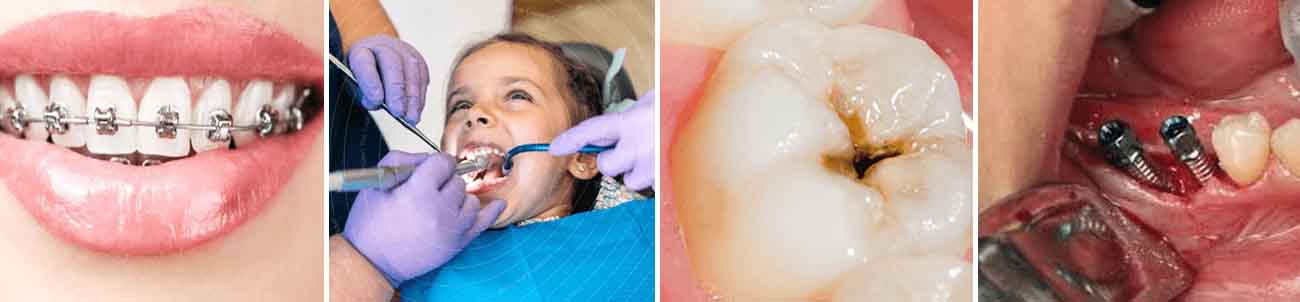
Background: Pulpectomy is an
important treatment modality for primary teeth with irreversible pulpitis or
pulpal necrosis, with the objective of eliminating infection while retaining
the tooth until its physiological exfoliation. Root canal instrumentation is a
critical component of pulpectomy because effective cleaning and shaping
facilitate disinfection and obturation. However, instrumentation of primary
teeth is challenging because of their complex root canal anatomy, thin dentinal
walls, pronounced root curvature and physiological root resorption.
Aim: This narrative review
discusses the anatomical considerations influencing root canal instrumentation
in primary teeth and critically reviews conventional hand instrumentation and
contemporary nickel–titanium (NiTi) rotary and reciprocating systems, with
emphasis on their clinical advantages, limitations and relevance to paediatric
endodontic practice.
Main findings: Stainless-steel hand
files remain useful because of their tactile feedback, controlled manipulation
and ability to negotiate narrow and complex canals. However, conventional hand
instrumentation is relatively time-consuming and may result in greater dentine
removal in certain situations. NiTi rotary systems provide greater flexibility,
improved shaping efficiency, reduced instrumentation time and more predictable
tapered canal preparations. Several in vitro and ex vivo studies
have reported comparable cleaning efficacy between hand and rotary techniques
while demonstrating a significant reduction in instrumentation time with rotary
systems. Nevertheless, rotary instrumentation has limitations, including cost,
the need for specialised training, reduced tactile feedback and the possibility
of leaving fins, isthmuses and other irregularities inadequately instrumented.
Please enter the email address corresponding to this article submission.